


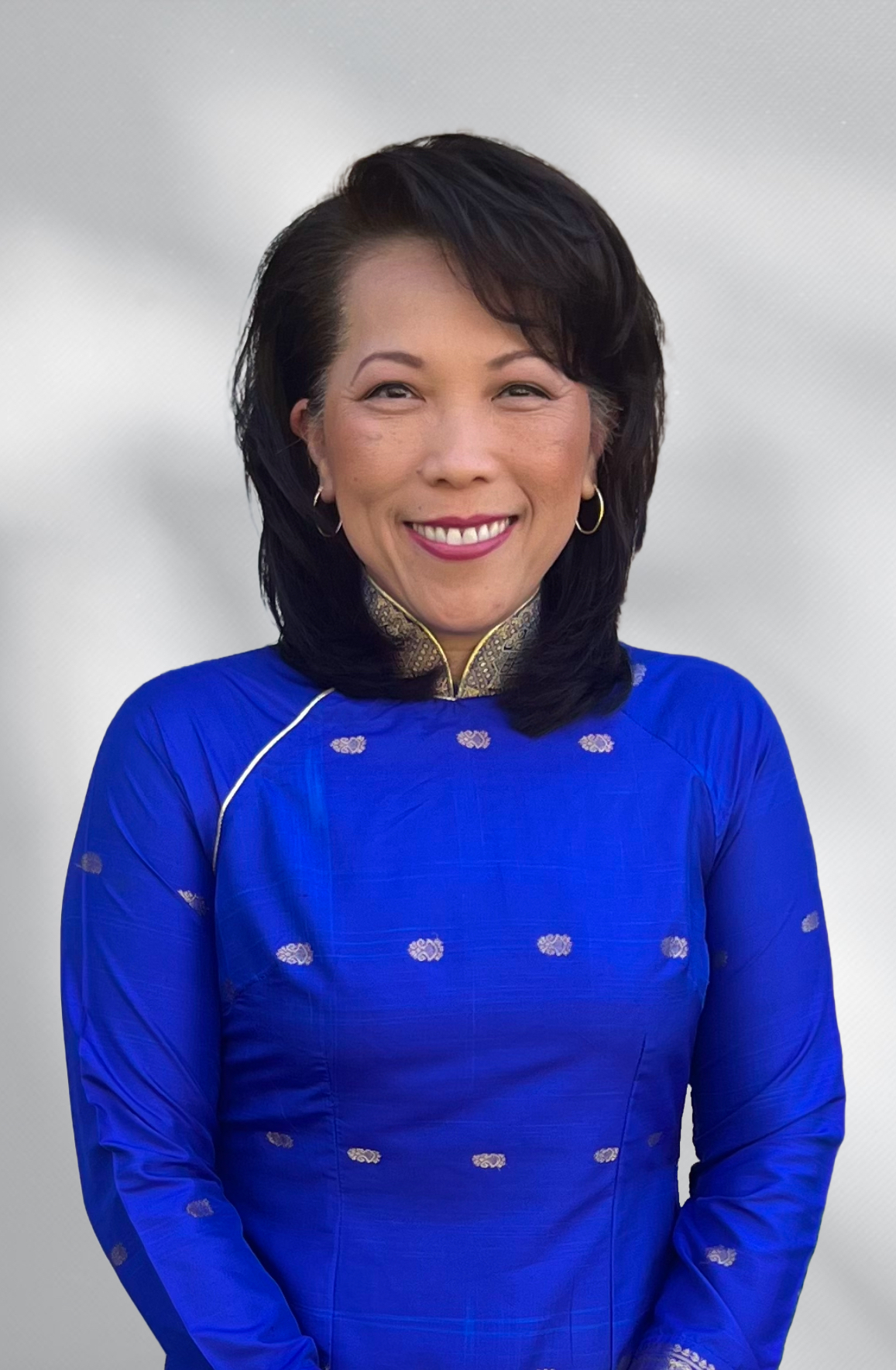
Dr. Nina Christensen decided to run for a seat on the Menomonee Falls school board as a way to serve her community and protect her family. In the wake of the COVID-19 pandemic, she wanted to help ensure the school district would be safe for both students and parents.
However, while serving on the district’s policy committee, Dr. Christensen stumbled upon a policy that she realized could cause major problems for families.
School districts frequently partner with companies that provide educational policy guidelines. While schools have the option to write their own policy guidebooks, doing so is time-consuming and difficult due to constantly changing state regulations.
Companies such as NEOLA (previously known as the Northeast Ohio Learning Associates) provide schools with pre-written bylaws and policy books, tailoring them to the district’s needs and updating them as required by state law. Policy committees will often still go through the handbooks themselves and present changes or recommendations to the school board for approval.
Dr. Christensen was going through this slow but important process when she stumbled upon Policy 5310. As a doctor and parent, the policy’s use of the phrase “invasive physical examination” caught her attention, and as she read through it, she said, “The hair on the back of my neck stood up.”
Policy 5310 states that, “The Board shall directly notify the parents (as defined in Bylaw 0100 – Definitions) of students, at least annually at the beginning of the school year, of the specific or approximate dates during the school year when any non-emergency, invasive physical examination or screening is scheduled or expected to be scheduled for students if the examination or screening is: (1) required as a condition of attendance; (2) administered by the school and scheduled by the school in advance; and (3) not necessary to protect the immediate health and safety of a specific student, or other students.”
The policy goes on to define the term “invasive physical examination” as “any medical examination that involves the exposure of private body parts, or any act during such examination that includes incision, insertion, or injection into the body, but does not include a hearing, vision, or scoliosis screening.”
According to Dr. Christensen, the way the policy is written means parents don’t have to authorize “invasive physical examinations” for their children. They will be notified, but not asked for permission.
The policy was created to cover staff members, such as school nurses, holding health screenings for possible health concerns, such as difficulty breathing or sudden weight changes. And while she “agreed with the spirit of the policy,” Dr. Christensen said its lack of authorization from parents was concerning.
“It gives staff members cover if they behave in a nefarious way. If they do, this policy will protect them,” she explained.
Dr. Christensen immediately contacted the district superintendent about the matter. She stated in an email that she “was not comfortable with the language of ‘invasive’ examination, including ‘insert, inject, and incision.’ Full transparency and informed consent is critical when dealing with minors and medical procedures,” she wrote.
Dr. Christensen proposed a new Policy 5310 to address the lack of parental authorization. She changed the language to be tighter, writing, “The board shall directly notify the parents of students during the school of the specific dates should any non-emergency physical examination or screening be offered … Should any physical health screening of a student by a staff member be unnecessary, prior family/parent authorization must be obtained.”
The new language was approved by the district’s legal team, providing the school with the same coverage, but this version would protect students from potentially exploitative situations.
This was well within the school board’s rights. In fact, it was the school board’s responsibility, she said.
Dr. Christensen explained that while Neola provides policy handbooks, their role is ultimately that of an advisor. Ultimately, the school board has the final say as to how the verbiage of these policies appears in district bylaws.
“School board members need to understand that they have the authority to do this,” she said. “In practice, they’re either unaware of their power or they’re scared to stand up to these companies. They would rather be silent or submissive. Rather than governing, they end up rubber-stamping.”
Neola provides school policy guidelines to more than 1,450 separate clients across six states. Hundreds of schools have this policy, or something extremely similar, in their handbooks. And most parents are unaware of how potentially dangerous this policy could be for their students.
Conversely, many policy committees and school boards are unwilling to address Policy 5310. When Dr. Christensen first brought it up to her fellow board members, for example, many of them didn’t want to make it an issue. But she ignored the pushback and fought to change the policy.
Unfortunately, when she reached out to other school districts and school board members across Wisconsin, warning them of the policy, they chose not to act.
Dr. Christensen is encouraging other school boards to address Policy 5310 so parents can protect their children.
“[Policy companies] will word things in weird ways. They don’t want to be sued, so they’re intentionally vague. The language can be very easily manipulated,” she said.
Her advice to both parents and school board members? “Just do the nitty-gritty work,” she said. “Because if you don’t, they will keep you in the dark on what’s actually happening to your kids.”